Home/Makeup Guides/Moroccan Wedding/Every Function in a Moroccan Wedding
The full sequence
Every Function in a Moroccan Wedding
A Moroccan wedding is not one event, it is a season. Six or seven distinct occasions, each with its own dress, its own mood and its own makeup brief — and planning them as one look is the most expensive mistake a bride makes.
The sequence, in order
- Khotba (الخطبة) — the engagement. Families meet, the request is formalised. Soft, photographed, family-facing.
- Kteb el-Ktab / the religious signing — the marriage contract before an adoul. Often intimate and heavily photographed.
- Hammam — the bride taken to the bathhouse by the women of her family, days before. Ritual cleansing. No makeup, and it changes the skin.
- Henna night (ليلة الحناء) — a day or two before the wedding. The bride in green, henna applied to hands and feet, singing and dancing until very late.
- The wedding — the amariya (العمارية) — the bride carried in on an ornate platform by four men, above the guests, to petals and ululation. The single most photographed moment of her life.
- The caftan changes — five to seven looks across the night, each representing a Moroccan region, managed by the negafa.
- Sabahiya (الصباحية) — the morning after. Family, breakfast, a much softer look on almost no sleep.
Why this matters for makeup
Each of these needs something different, and several of them happen on almost no sleep, in different venues and different light. A henna-night look on the wedding day will photograph as too warm; a wedding-day look at the khotba will read as overdone.
More practically: the hammam a few days before will leave the skin more sensitive and more permeable than usual, which changes what you can safely put on it and how much it will absorb.
The negafa, and why she matters to your makeup
The negafa is the traditional Moroccan wedding stylist — she and her assistants manage every caftan, every piece of jewellery and every change across the night. She is not decoration; she is the operations department of the wedding.
The makeup artist works around her. Between outfits, the bride is being undressed, redressed and re-jewelled, which is exactly when makeup gets knocked, when foundation transfers onto a collar, and when there are ninety seconds to correct it. Agreeing the change order with the negafa in advance is what makes the difference between a calm night and a chaotic one.
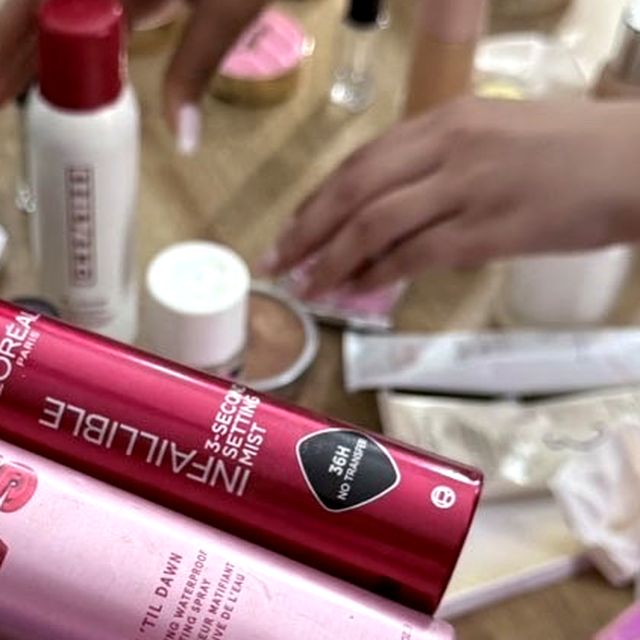
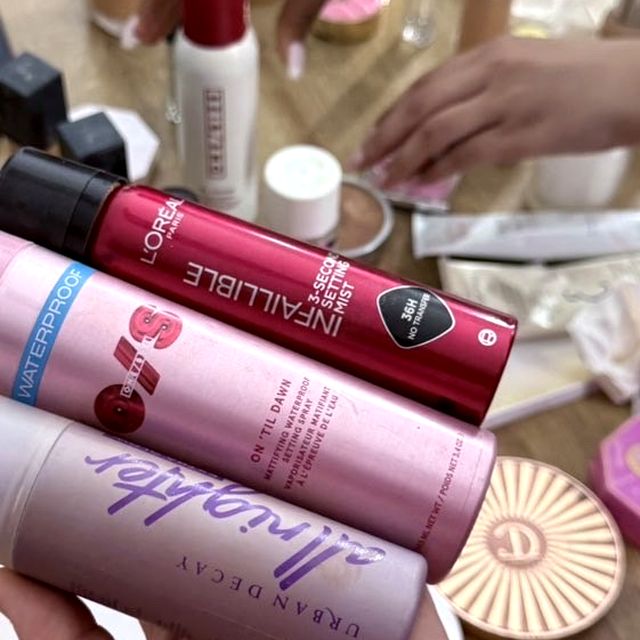
This is also why a no-transfer setting spray is not optional. A caftan going over a head is a transfer event.
Who else needs makeup
It is almost never only the bride. Budget and time for the mother of the bride, the mother of the groom, sisters, and often the groom and the men. A full Moroccan wedding party can be eight to twelve faces in one morning.
That is a scheduling problem as much as an artistry one: ninety minutes for the bride, thirty per adult, ten to fifteen for the men.
The products for this
Questions
How many makeup looks does a Moroccan bride need?
Typically three distinct ones — the henna night, the wedding day, and the sabahiya — plus refreshes between caftan changes on the wedding night itself. Some brides add a khotba look months earlier.
How long does bridal makeup take on the day?
Ninety minutes for the bride done properly, plus around thirty minutes for each additional adult. Build in more time than you think — the negafa's schedule and the photographer's will both slip.
Should the makeup artist stay through the night?
For a full traditional wedding with several caftan changes, ideally yes. If not, the bride needs a touch-up kit and a five-minute lesson in using it.
Knowing how is one thing. Ninety minutes on the morning is another
I bring every product on this site to brides across Casablanca, Rabat, Marrakech and Tangier — matched to your skin, your caftan, and the light you will actually be photographed in.
Free consultation · Trial before the day · Same-day reply
Check my date