Home/Makeup Guides/Moroccan Wedding/Khotba, the Signing, and the Sabahiya
The quieter functions
Khotba, the Signing, and the Sabahiya
Three occasions that get far less attention than the wedding night and are photographed just as much — usually in daylight, usually close up, and usually with family who will keep those pictures for forty years.
Khotba — the engagement
The families meet, the request is formalised, gifts are exchanged. Often held in a home, usually in daylight, and photographed at close range by relatives rather than professionals.
The brief: the most restrained look of the whole sequence. Daylight and close-up phone cameras are the two least forgiving conditions there are. Sheer satin base, spot concealing only, light warmth, one pass of blush, barely-there highlight.
Hair: soft and personal rather than formal. This is not the day for the taj.
See the full natural daytime sequence.
The religious signing
The marriage contract before the adoul. Sometimes intimate, sometimes a full event — ask, because the answer changes the look completely.
The brief: more finished than the khotba, less than the wedding. Modest and dignified rather than glamorous; often close-framed photography of the signing itself, so the hands and the face are both in shot. Neutral, well-kept nails matter here more than at any other function.
Sabahiya — the morning after
The morning gathering with family. Breakfast, gifts, quieter clothes — and a bride running on almost no sleep after the longest night of her life.
The brief: hydration over coverage. Everything about this look is designed to make tired skin read as fresh rather than to hide that it is tired.
- Cream, generously, and a full three minutes to absorb.
- The sheerest base of the whole week.
- Concealer only at the inner corner — heavy under-eye coverage on dehydrated skin creases within the hour.
- Cream blush placed high on the cheekbone. Colour high on the face is the single most effective thing for a tired face.
- Almost no powder. Nose and chin at most.
- No contour at all.
Hair: down, or a soft loose gather. After a night of pins and a headpiece, her scalp will be sore and she will want it out.
What ties them together
All three are close-range, family-facing and mostly in daylight. All three are photographed by people who are not professionals, on phones, without flattering light. And all three are looks where doing less produces a better photograph than doing more.
The products for this
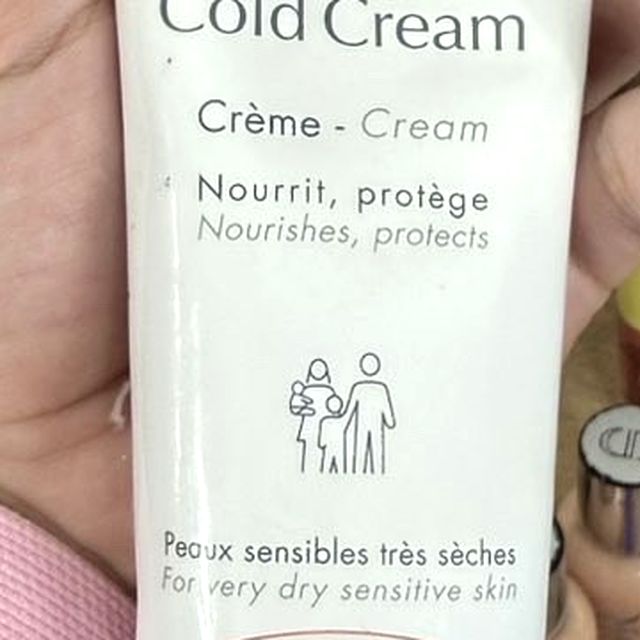
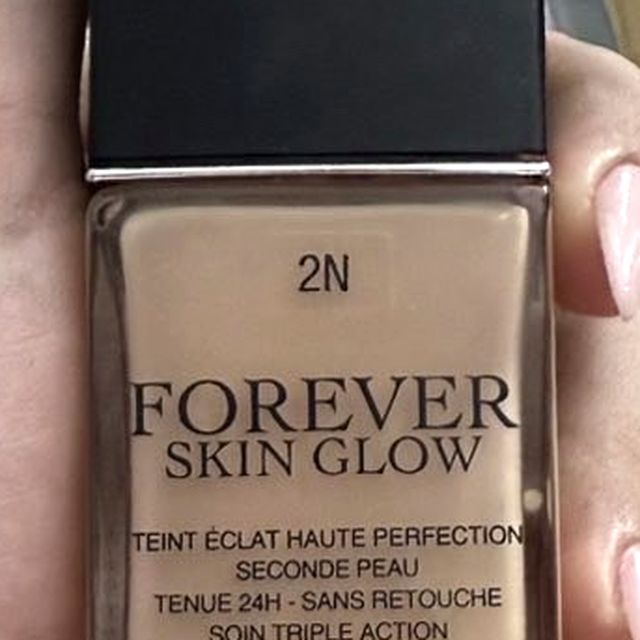
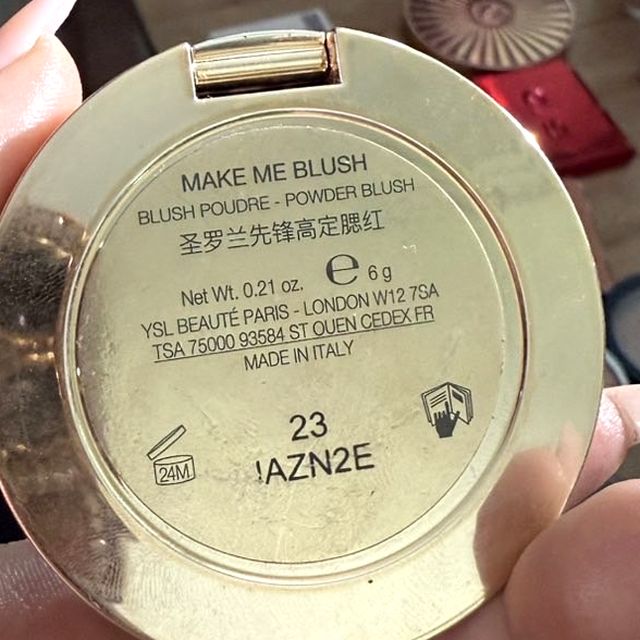
Questions
How much makeup for a khotba?
The least of any function. It is daylight, close-up and photographed on phones — a sheer satin base, spot concealer, light warmth and one pass of blush.
What makeup for the sabahiya on no sleep?
Hydration rather than coverage. Cream, a sheer base, cream blush placed high, almost no powder and no contour. Heavy coverage makes tired skin look more tired.
Does the bride need a professional artist for these?
For the khotba and the sabahiya, many brides do their own. They are the two looks worth learning to do yourself — and the guides on this site are written so you can.
Knowing how is one thing. Ninety minutes on the morning is another
I bring every product on this site to brides across Casablanca, Rabat, Marrakech and Tangier — matched to your skin, your caftan, and the light you will actually be photographed in.
Free consultation · Trial before the day · Same-day reply
Check my date