Home/Makeup Guides/Moroccan Wedding/The Hammam, and Preparing Skin for the Wedding
Before the wedding
The Hammam, and Preparing Skin for the Wedding
The bridal hammam is beautiful, and it is also the most common cause of skin that misbehaves on the wedding day. The fix is entirely a question of timing.
What the hammam does to skin
The ritual — steam, black soap, the kessa glove, ghassoul clay, often a milk bath and massage — is genuinely excellent for skin. It also removes a significant amount of the outermost layer, opens everything up, and leaves the skin temporarily more permeable and more reactive than usual.
On freshly exfoliated skin, products absorb faster and sting more, foundation grips differently, and any reaction has nowhere to hide.
The timing rule
Hammam no later than five to seven days before the wedding. Not the day before, and absolutely not the morning of.
That window gives the barrier time to rebuild, lets any redness settle, and leaves enough time to treat a reaction if one appears. A bride who goes to the hammam two days before arrives with skin that is tight, slightly raw, and unpredictable under foundation.
A realistic countdown
- 3 months out — start any active treatment. Retinoids, acids, professional facials, dermatologist work. Everything that could cause purging belongs here, not later.
- 6 weeks out — makeup trial. Do it in the same lighting conditions as the venue if you possibly can, and photograph it with a flash.
- 1 month out — stop introducing anything new. No new products, no new facials, no experiments.
- 2 weeks out — last facial, and only if it is one you have had before.
- 5–7 days out — the hammam.
- 3 days out — eyebrows shaped. Redness needs time to go.
- Night before — hydrate, sleep, nothing else. No masks you have not used before.
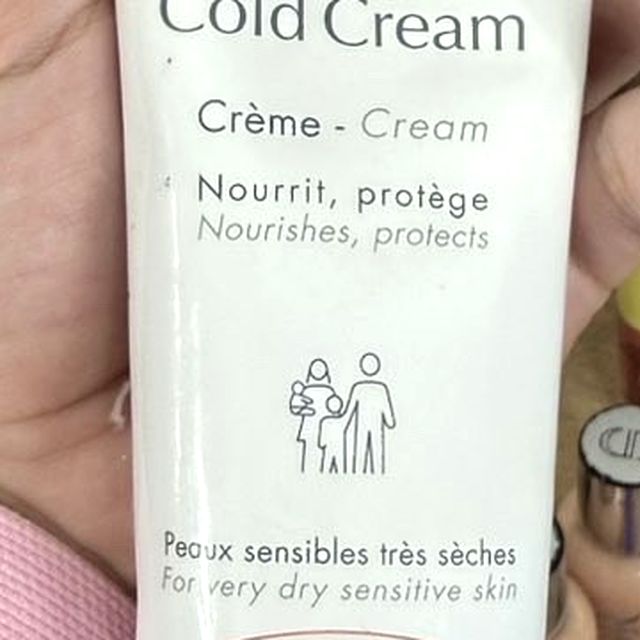
- Morning of — cleanse, cream on the dry areas, and wait three full minutes before anything else.
What to do about henna stains that have not faded
Henna on the hands is intended. Henna where it was not intended — a smudge on the forearm, a stain that has gone darker than planned — is a real problem, because it cannot be washed off and it photographs strongly.
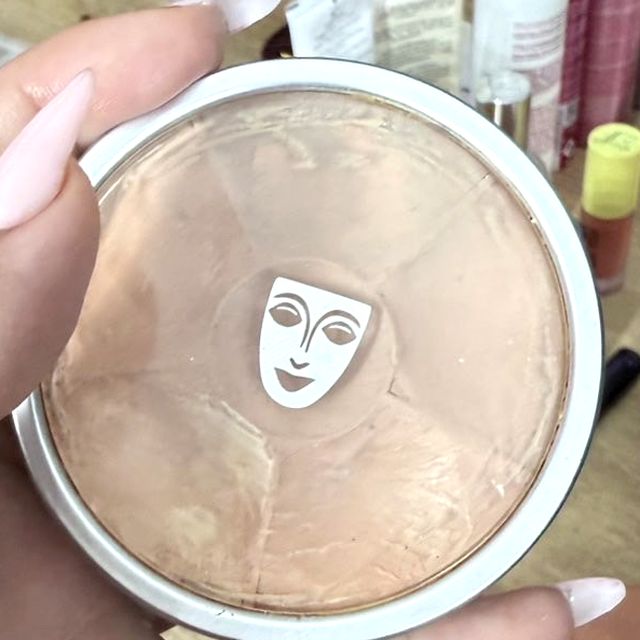
This is what camouflage cream exists for. Correct the orange-brown with its opposite, match the skin over the top, powder it firmly, and it will hold through the night.
Skin on no sleep
By the sabahiya the bride has been awake for the best part of two days. Skin under that much fatigue is dehydrated, puffier around the eyes and duller overall.
Treat it with hydration rather than coverage. A cream, a genuinely sheer base, cream blush high on the cheek, and almost no powder. Piling coverage onto tired skin makes it look more tired, not less.
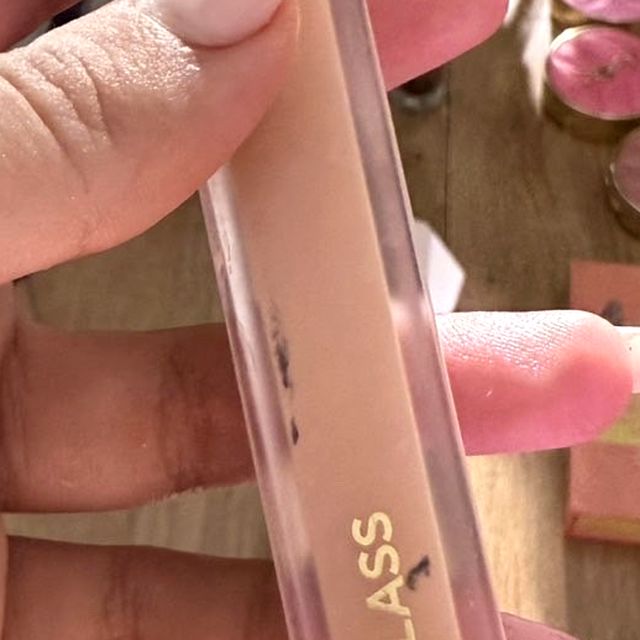
The products for this
Questions
How long before the wedding should the bridal hammam be?
Five to seven days. It leaves the skin temporarily raw and permeable, and it needs that long to settle. Never the day before.
When should I do my makeup trial?
About six weeks out — late enough that your skin is close to its wedding-day condition, early enough to change direction. Photograph the trial with a flash.
Can I get a facial the week of the wedding?
Only a treatment you have had before and know your skin tolerates, and no later than two weeks out. A first-time facial in the final week is the highest-risk thing a bride can do.
What if I break out the day before?
Do not pick it and do not try a new product on it. It is far easier to cover a raised blemish than a raw, over-treated one — that is exactly the job colour-correction and camouflage cream are built for.
Knowing how is one thing. Ninety minutes on the morning is another
I bring every product on this site to brides across Casablanca, Rabat, Marrakech and Tangier — matched to your skin, your caftan, and the light you will actually be photographed in.
Free consultation · Trial before the day · Same-day reply
Check my date