Home/Makeup Guides/Moroccan Wedding/The Amariya and the Caftan Changes
The wedding night
The Amariya and the Caftan Changes
Carried in on a platform above the heads of your guests, then five to seven complete changes of dress across the night. This is the most technically demanding makeup job in Moroccan weddings, and almost all of the difficulty is in the changes.
The amariya
The bride is carried in on an ornate circular platform by four men, raised above the guests, to ululation, clapping and rose petals. Every phone in the room is pointed at her, plus the photographer and usually a videographer with a light.
Which means: this is the moment the makeup is judged. It is lit from below and from the side, photographed with flash from every angle, and seen at distance by a hundred people at once.
- No high SPF anywhere in the base. Flashback here ruins the single most important photograph of the wedding.
- No glitter highlighter. It photographs as texture under flash.
- Stronger blush and bronzer than the mirror suggests. Flash and distance both wash colour out.
- Structure that reads at ten metres. Subtlety disappears when the audience is that far away.
The regional caftans, and what each one asks for
Across the night the bride wears several looks representing different regions of Morocco — usually with special attention to her own and the groom's origins. The negafa manages the sequence.
- Lebssa Fassia (Fez) — silk, heavily jewelled, with a pearl-draped headpiece. The most formal. Hair fully up and off the face; makeup regal and structured.
- Lebsa Rbatia (Rabat) — richly embroidered, ceremonial. Similar formality, often a taller headdress.
- Soussia (Amazigh / Souss) — heavy silver jewellery covering the whole outfit, varying by tribe. Cooler metal, so this is the change where a cooler highlighter earns its place.
- Sahraouia (the south) — the melhfa, draped, closer to Mauritanian dress. Softer, more fluid; the face is often more visible and less framed.
- The white gown — European, usually late in the night. The coolest, cleanest look of the evening, and the one where transfer onto white fabric is a genuine risk.
Surviving the changes
Each change means a garment going over her head, jewellery being fitted around her face, and the negafa's team working fast in a small room. Makeup gets knocked at every single one.
- Agree the change order with the negafa before the night starts, so you know when your ninety-second windows are.
- Build the base for transfer resistance from the beginning — this is not something you can add later.
- Finish with a no-transfer spray, on the face, neck and décolleté. The neck is where it actually transfers.
- Between changes: blotting spray, not powder. Powder accumulates and by the fourth caftan the face will look chalked.
- Carry the highlighter and one blush only. Those are the two things that need topping up; nothing else does.
- Adjust the highlighter warmth to the metal she is about to wear — warm for gold, cooler for the Soussia silver.
Hair across the night
Most brides work from one structural base — a secured updo — and change what goes on it rather than rebuilding it. The Fassia headpiece, the Soussia silver, the Sahraouia drape and the white-gown veil can all mount onto the same well-pinned foundation.
That is a deliberate decision made at the start of the day. Rebuilding hair between caftans is not realistic in the time the negafa will give you.
The products for this
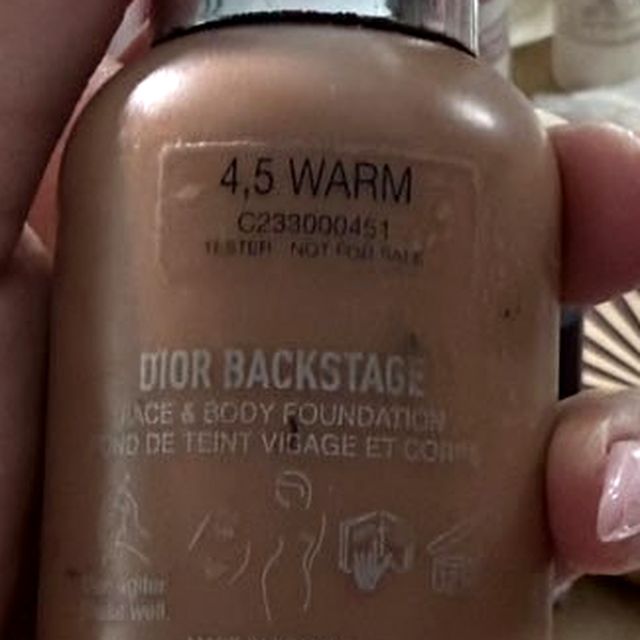 Dior Backstage Face & Body Foundation
Full specification, how it is used, and where to buy it in Morocco.
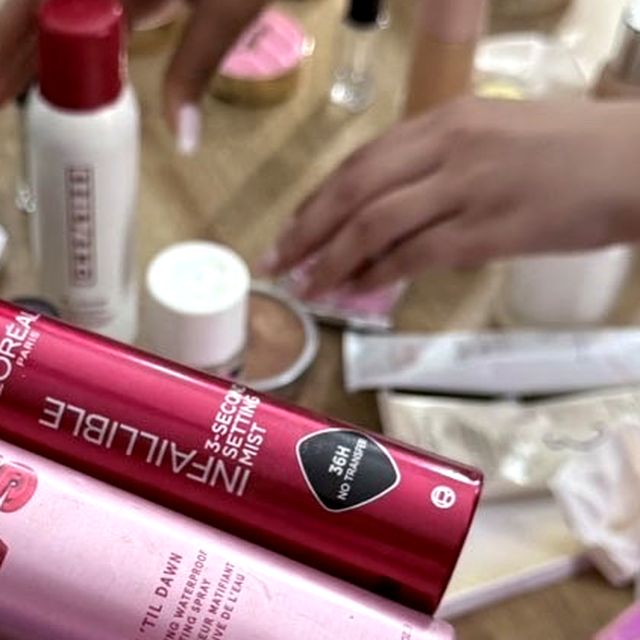 L'Oréal Infaillible Setting Mist
Full specification, how it is used, and where to buy it in Morocco.
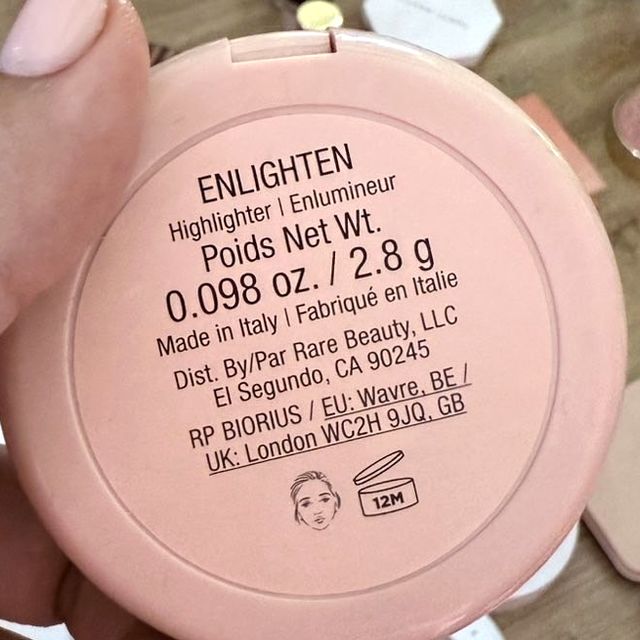 Rare Beauty Positive Light Silky Touch
Full specification, how it is used, and where to buy it in Morocco.
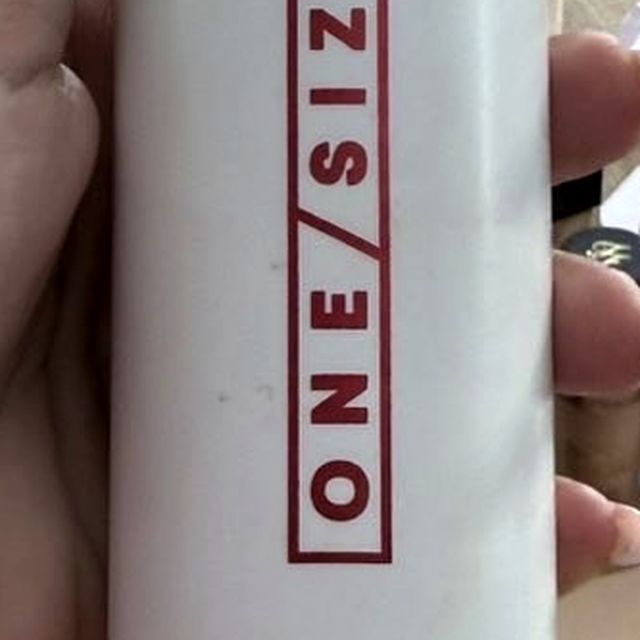 ONE/SIZE Oil Sucker
Full specification, how it is used, and where to buy it in Morocco.
Questions
How many caftans does a Moroccan bride wear?
Usually five to seven across the wedding night, each representing a different Moroccan region, with particular attention to the bride's and groom's own origins.
How do you stop makeup transferring onto a caftan?
Build for it from the base up, finish with a no-transfer setting spray on the face and the neck and chest, and reset with a blotting spray rather than powder between changes.
What is the negafa?
The traditional Moroccan wedding stylist. She and her assistants manage the caftans, the jewellery and every change through the night. Coordinating with her is the single most useful thing a makeup artist can do before a Moroccan wedding.
Why does flash ruin some bridal makeup?
High-SPF products bounce the flash back as a white cast, and glitter highlighter reads as texture rather than glow. For the amariya, avoid both.
Knowing how is one thing. Ninety minutes on the morning is another
I bring every product on this site to brides across Casablanca, Rabat, Marrakech and Tangier — matched to your skin, your caftan, and the light you will actually be photographed in.
Free consultation · Trial before the day · Same-day reply
Check my date