Home/Makeup Guides/How Makeup Actually Works
The mechanics
How Makeup Actually Works
Almost every makeup failure — pilling, sliding, patching, creasing — comes from one of three causes, and all three are chemistry rather than skill. Understand what is in the bottle and most problems stop happening to you.
What is actually in a makeup product
Strip any complexion product down and you find the same four parts doing the same four jobs.
- Pigment — the colour. Usually titanium dioxide for opacity plus iron oxides for tone. This is what covers.
- The vehicle — what carries the pigment and lets it spread. Water, silicone or oil. This is the part that decides what your product will get along with.
- Film former — polymers that dry into a flexible skin over the top. This is what makes something long-wear or transfer-resistant.
- Fillers — silica, mica, magnesium carbonate. These control how light behaves on the surface, which is what you experience as finish.
Once you can name those four in a product you are holding, you can predict how it will behave before you put it on anyone.
The single most useful rule: like dissolves like
Water-based and silicone-based products do not mix. Put a water-based foundation over a silicone primer and the foundation will bead up and roll off in little grey worms. That is pilling, and it is not your technique — it is two vehicles refusing each other.
The fix is boringly simple. Match the vehicle. Water over water, silicone over silicone. If you have to cross them, let the first layer dry completely before the second goes on, and press rather than sweep.
Dior Backstage is water-based. That is why it plays well over a hydrating cream and badly over a heavy silicone pore-filler.
Why cream goes before powder, always
Powder works by absorbing the liquid part of whatever is underneath it. Lay powder down first and there is nothing left to absorb the cream you put on top — so the cream sits in a layer, grabs at the powder unevenly, and patches.
Reverse it and everything works. Cream base, cream bronzer, cream blush if you are using one — then powder over all of it, then powder products on top of that.
This one rule fixes patchy bronzer, blotchy blush and streaky contour in a single change.
How finish is actually created
Finish is not a mood, it is optics. Three mechanisms, and knowing which one you are using tells you how it will photograph.
- Matte — light-scattering fillers, usually silica, break up reflection so the surface returns light diffusely. Photographs flat and controlled; on dry skin it emphasises texture.
- Dewy — emollients and reflective micas return light directly. Photographs as health under soft light; under a flash it can read as grease.
- Blurred — spherical particles bend light around texture instead of filling it. This is what Upsalite® does, and it is why a blurring powder does not look chalky the way a traditional mattifier does.
Why setting spray is not a gimmick
A setting spray deposits a very thin polymer film across everything you have built. That film does three things: it binds loose powder so it stops moving, it resists the oil coming up from underneath, and it removes the powdery look by wetting the surface and letting it re-dry as one layer instead of several.
It cannot absorb oil — only powder does that. Which is why the correct sequence is powder first, spray last, and why a spray on its own will not save an oily T-zone.
Undertone, in one paragraph
Depth is how light or dark skin is. Undertone is the colour underneath, and it does not change with a tan. Warm skin has gold or peach beneath; cool has pink or red; neutral sits between; olive has a green-grey cast that most shade ranges handle badly.
A great deal of Moroccan skin is warm or olive. If a foundation that suits your friend turns orange on you, you are almost certainly olive and being sold warm. Neutral shades are usually the answer, and this is the single most common shade-matching error in this market.
The products for this
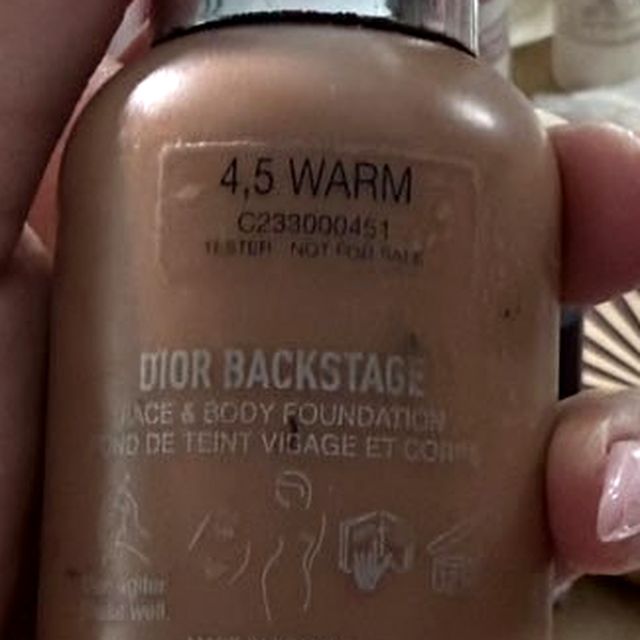 Dior Backstage Face & Body Foundation
Full specification, how it is used, and where to buy it in Morocco.
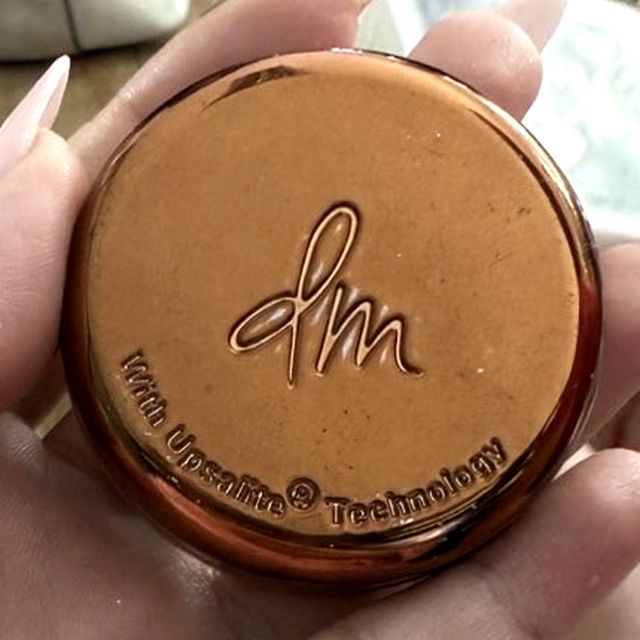 Danessa Myricks Yummy Skin Balm Powder
Full specification, how it is used, and where to buy it in Morocco.
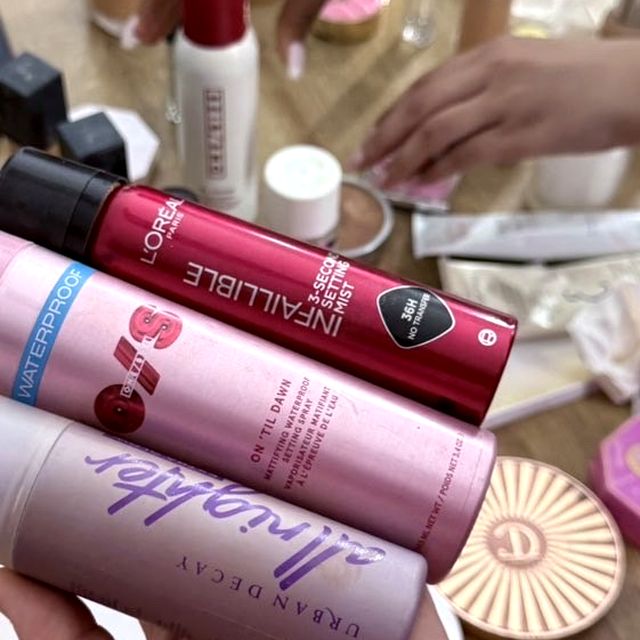 Urban Decay All Nighter
Full specification, how it is used, and where to buy it in Morocco.
Questions
Why does my foundation pill and roll off?
You have crossed vehicles — most often a silicone primer under a water-based foundation. Match them, or let the first layer dry fully and press the second on rather than sweeping.
Why does my bronzer go patchy?
You almost certainly applied a cream product over powder. Powder absorbs the vehicle, so the cream has nothing to spread on and grabs unevenly. Cream first, powder over it.
Does expensive makeup actually work better?
In foundation and setting spray, often yes — the film-forming polymers and the pigment grind are genuinely better. In matte bronzer and powder, the gap is far smaller than the price difference suggests.
Knowing how is one thing. Ninety minutes on the morning is another
I bring every product on this site to brides across Casablanca, Rabat, Marrakech and Tangier — matched to your skin, your caftan, and the light you will actually be photographed in.
Free consultation · Trial before the day · Same-day reply
Check my date