Home/Makeup Guides/What It Is/Colour Corrector
What it is · How to use it
Colour Corrector
Colour correcting means cancelling a colour with its opposite before you cover it. Done right, you need far less concealer. Done wrong, you get a grey face.
What is colour correcting and do you actually need it?
The rule is the colour wheel. Orange and peach cancel blue and purple — under-eye shadows, bruising, blue-toned tattoos. Green cancels red — angry blemishes, rosacea, irritation. Yellow cancels light purple and brightens.
The depth of the corrector must match the depth of the skin. A pale peach on deep skin does nothing; a deep orange on fair skin looks like rust.
How to use it, step by step
- Identify the actual colour of the problem, not just that it is 'dark'.
- Choose the opposite, at the right depth for the skin.
- Apply the thinnest possible layer, exactly on the discolouration and no wider.
- Press, do not buff — buffing removes what you just placed.
- Cover with skin-tone concealer or foundation on top.
- Set once, lightly.
The mistakes that cost you
- Using too much, so the corrector shows through as a colour.
- Correcting the whole under-eye when only the inner corner is blue.
- Using a corrector that is too light, which turns the area grey.
In Morocco specifically
Traditional Amazigh chin and hand tattoos are indigo-blue. If a client wants them covered for a particular look, orange or red correction first, then skin tone, then powder. Skin tone alone will read grey-green every time.
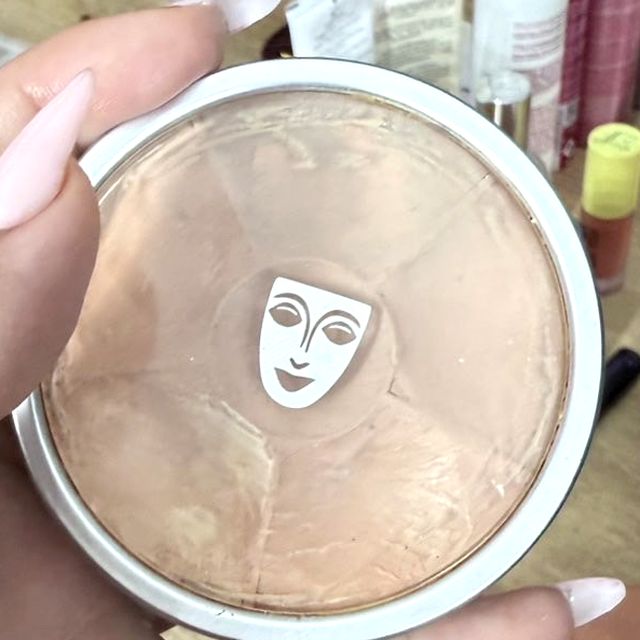
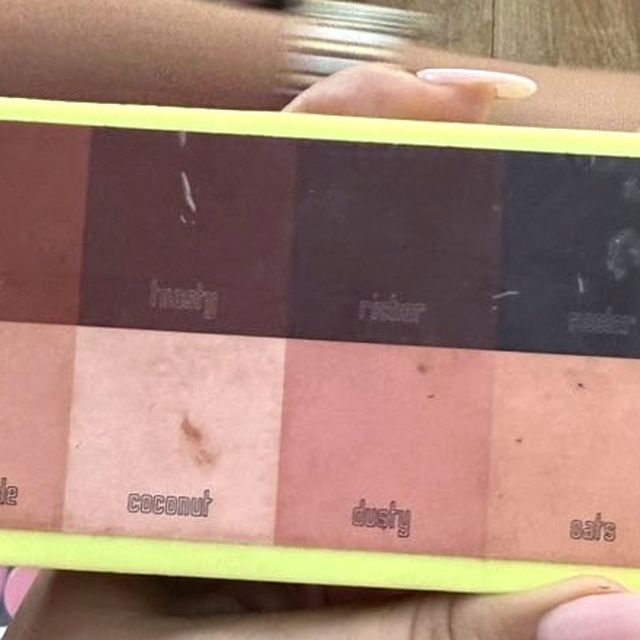
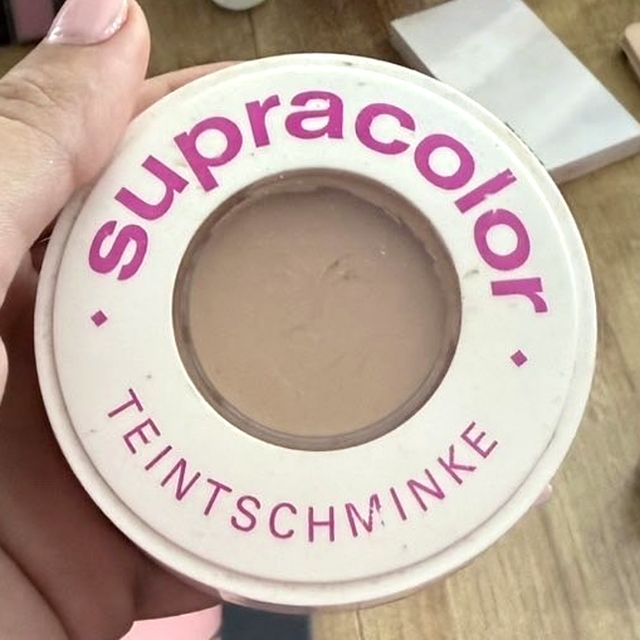
The colour corrector in this kit
Knowing how is one thing. Ninety minutes on the morning is another
I bring every product on this site to brides across Casablanca, Rabat, Marrakech and Tangier — matched to your skin, your caftan, and the light you will actually be photographed in.
Free consultation · Trial before the day · Same-day reply
Check my date